How to Use Instagram for Affiliate Marketing
Instagram can be a real affiliate income driver. But most people who try it either spam links and wonder why no one buys, or they get so worried about looking “salesy” that they never promote anything at all. Here’s how to actually make it work.
 Instagram is one of the most underused affiliate platforms out there. Everyone rushes to TikTok or starts a blog or builds a YouTube channel. And those are all great. But Instagram? People either ignore it or use it completely wrong.
The wrong way: post your affiliate link every day and hope someone clicks. The right way: build a small audience of people who actually care about your recommendations, then promote things you’d genuinely tell a friend about.
This guide covers the mechanics of Instagram affiliate marketing, specifically link strategy, Stories, Reels, and how to drive real clicks without needing 100k followers.
Why Instagram works for affiliate marketing (even without a big following)
Here’s something the “you need a massive audience” crowd never tells you: engagement rate matters more than follower count. A food blogger with 4,000 followers who gets 300 likes and 40 comments per post will outsell a lifestyle influencer with 200,000 followers getting 800 likes and almost zero comments.
Instagram’s algorithm rewards content that gets interaction. If your followers are genuinely interested in what you share, the platform shows it to more of them. That compounding effect is what makes Instagram worth your time as an affiliate.
The other thing working in your favor: Instagram is a visual platform. Products show well here. A photo of you actually using a product, with a caption explaining what you love about it, converts better than almost any other format. It doesn’t feel like an ad. It feels like a recommendation from someone they follow.
I’ve seen affiliates with under 5,000 followers generate consistent commissions on Instagram while people with 10x the audience make nothing. The difference comes down to trust, relevance, and knowing how to get the click.
Social media is just one piece of the affiliate marketing picture. If you want to see how Matt’s full system fits together, from picking offers to driving consistent commissions, the How to Use Social Media to Win at Affiliate Marketing lesson breaks down exactly how to make each platform work for you.
How to set up your link-in-bio the right way
 Instagram gives you one clickable link on your profile. If you handle that link wrong, you lose every click you work to drive there.
The biggest mistake I see: linking directly to a single affiliate product. Someone reads your post, wants to learn more, clicks your bio link, lands on a product page for something they weren’t specifically expecting, and bounces. The sale never happens.
Instead, use a link aggregator page. Tools like Linktree, Later’s link-in-bio, or a simple page on your own site let you list multiple links at once. Each post you make can direct people to a specific link on that page. You update the label, not the link itself.
But here’s what most link-in-bio guides skip: the order and labeling of your links matters. Don’t list everything you’ve ever promoted. Put two or three current, relevant options at the top and rotate them as your content changes. Label them clearly. “The budgeting app I actually use” beats “Link 3” every time.
If you post consistently about the same niche, consider building a resources page on your website and linking to that from your bio. A well-built resources page, where you explain exactly why you recommend each product, can generate passive commissions long after you stop posting about a product.
One of the best ways to turn Instagram traffic into ongoing passive income is a resources page that does the selling for you. Matt’s Ultimate Guide to Creating a Resources Page shows exactly how to build one that earns consistently, including the five keys to making it convert.
How to use Instagram Stories for affiliate marketing
Stories are where a lot of the real affiliate action happens on Instagram. They disappear after 24 hours, which sounds like a downside, but it’s actually what makes them work. People pay more attention to time-sensitive content. There’s no archive to scroll through. If they want to see it, they have to watch it now.
For affiliate marketing, Stories are great for a few specific things:
- Quick product demos. Show the thing in use. If you’re an affiliate for a meal kit service, film yourself pulling dinner out of the box. If you’re promoting a software tool, do a 15-second screen recording. Real, unpolished, fast.
- Behind-the-scenes recommendations. “This is what I actually use to plan my content calendar” performs better than any scripted pitch. It doesn’t feel like a promotion. It feels like you’re letting people in.
- Limited-time promotions. Stories are ideal for flash sales and deadline-driven offers. The format already communicates urgency. Check out how to promote flash sales as an affiliate for the mechanics of making these convert.
On the link question: accounts with the link sticker feature active can drop a clickable URL directly into a Story. If you don’t have it yet, you’re directing people to your bio link. That’s an extra step, and some percentage won’t bother. This is one real reason to grow your account, even if follower count alone isn’t everything.
One thing that actually helps people follow through on the bio click: a Story that ends with a specific direction. Skip “check the link in my bio.” Say instead: “The exact product I mentioned is the top link in my bio right now.” Tell them what to look for and why it’s worth the tap.
How to use Reels to drive affiliate traffic
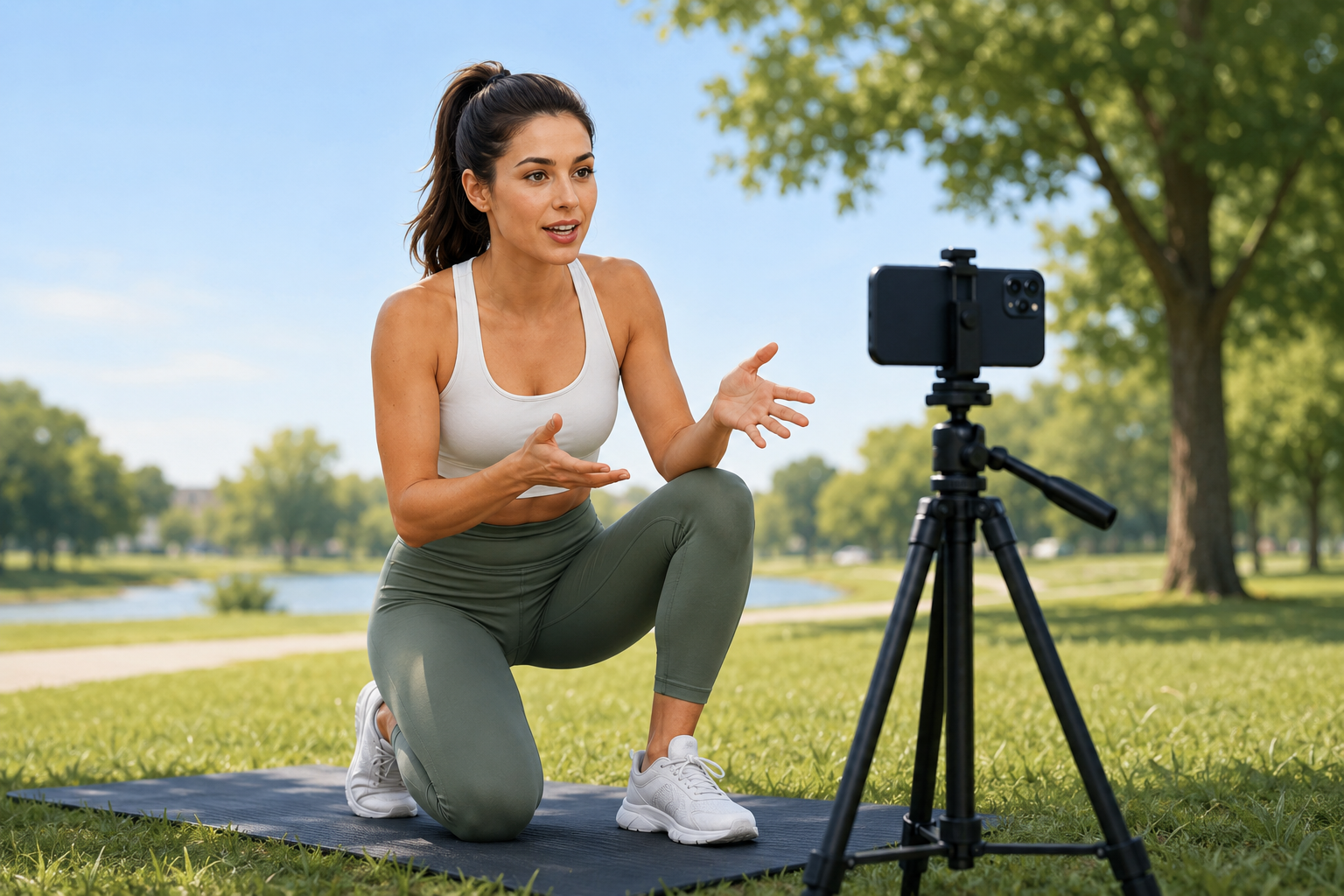 Reels are Instagram’s short video format and currently the platform’s main growth engine. Instagram is pushing Reels harder than any other content type, which means Reels have the best organic reach of anything you can post right now.
That’s a big deal for affiliates because organic reach is free traffic. Every Reel that performs well gets shown to people who don’t follow you yet. Done right, it builds your audience and drives affiliate clicks at the same time.
Here’s what works in Reels for affiliate promotion:
- “I tried it so you don’t have to” format. Show the product, use it on camera, give a real verdict. 15-30 seconds. No script, just honest reaction. This format gets high engagement because it’s useful and people trust unfiltered reviews.
- Before and after. If the product produces a visible result, show the transformation. Works especially well for physical products, apps with dashboards, or services with measurable outcomes.
- Tutorial clips that require the product. Teach something, use the product to do it, mention it once naturally. The recommendation comes embedded in value. The affiliate link lives in your bio.
What does NOT work in Reels: straight-up ads. If your Reel is basically a product commercial, it’ll get skipped. Instagram users know the difference between someone sharing something they use and someone trying to sell them something. The content has to come first.
Caption strategy also matters. Reels captions don’t show fully unless someone taps to expand, but the first line is prime real estate. Use it to hook them. “I spent $300 testing every meal delivery service so you don’t have to” will keep people watching. “Check out my new affiliate product!” will not.
How to write captions that actually get the click
The caption is where most affiliate posts die. People put all their effort into the photo or the Reel, then slap on a generic caption with a “link in bio” and call it done. That’s a conversion killer.
Good affiliate captions do three things: hook the reader in the first line, give them a reason to care, and give them a specific next step.
Here’s a simple structure that works:
- Hook. A specific, interesting first line that makes them want to read more. A question, a bold claim, or a short story opener. “I almost didn’t try this. Now I use it every single day.” That works. “I love this product so much!” does not.
- Value or story. Two to four sentences about your actual experience. What problem it solved, what changed, what surprised you. Be specific. “It cut my weekly grocery bill by about $60” is more compelling than “it saves money.”
- The soft mention. “It’s the and I’ve linked it at the top of my bio.” One line. Not a pitch, just a direction.
- A question or CTA that invites engagement. “Have you tried anything like this?” Comments help the algorithm. They also create conversation, and conversation builds trust.
The goal is to make the mention feel natural. Your followers should feel like they just read something useful from a person they trust, not a promotion. Because that’s what it should actually be.
If you’re quietly making mistakes that cost you commissions, this post on the top social media mistakes affiliates make is worth reading before your next post.
FTC disclosure on Instagram: how to do it right
 You have to disclose affiliate relationships on Instagram. The FTC requires it. Instagram’s own policies require it. And your audience deserves to know.
The good news: disclosure doesn’t hurt conversions when you do it right. A transparent recommendation from someone your audience trusts actually converts better than a hidden one, because when followers later discover you were being compensated (and they will discover it), you’ve permanently lost their trust.
Here’s how to handle it properly:
- In feed posts: Put the disclosure at the beginning of the caption, before any text they’d have to tap to expand. “#ad” or “#affiliate” in the first line. Don’t bury it at the end of 10 hashtags.
- In Stories: Use text overlay at the start of the Story, clearly visible. Instagram has a built-in “Paid partnership” tag, but for affiliate relationships, not paid brand deals, you still need your own disclosure.
- In Reels: Same as feed posts. Caption disclosure before the fold. Some creators also add a quick verbal mention at the start of the video.
Vague disclosures like “collab” or “sp” buried in hashtags don’t count. The FTC updated their guidelines in 2023 to require clear, plain-language disclosure. Keep it simple: “This post contains affiliate links. I earn a commission if you buy, at no extra cost to you.”
How many promotions per week is too many
There’s no magic number, but there is a ratio that tends to work. A rough guide: for every promotional post, have three to five pieces of content that aren’t promotional at all. Pure value, entertainment, or personal content.
This isn’t about hiding the fact that you promote things. It’s about earning the right to promote. If every post includes an affiliate link, your followers will start treating your account like an ad feed. They’ll stop paying attention.
The seven-ways warm-up framework for affiliate promotions applies on Instagram too. Warm your audience up before you ask them to buy. Share related content, stories, and useful context first. Then the promotion lands with weight behind it instead of out of nowhere.
A few signs you’re promoting too much: engagement rate drops week over week, your comments shift from genuine conversation to just emoji, and your follower count starts ticking down. If you see those signs, pull back on promotion and invest a few weeks in pure value content before the next ask.
Knowing when and how often to promote is one thing. Having a proven promotion plan your audience will actually follow is another. The Promotion Checklist Template is a free download that helps you map out your entire affiliate promotion across email and social, reusable for every campaign you run.
What to promote on Instagram (and what doesn’t convert well)
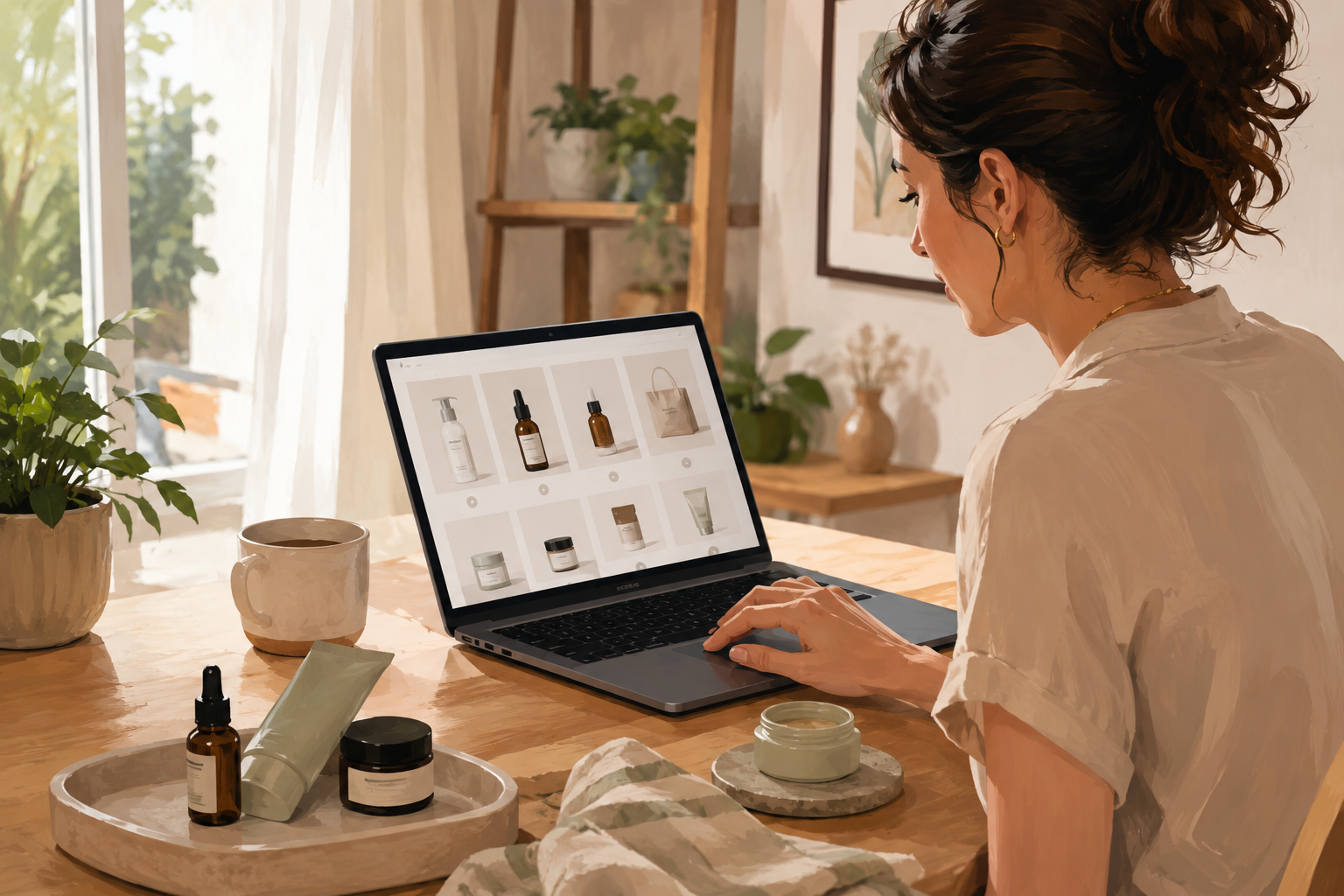 Not every product category performs equally well on Instagram. The platform skews visual, so products that show well and connect to a lifestyle tend to outperform dry software or commodity purchases.
Products that tend to convert well:
- Physical products with visual appeal: beauty, kitchen, fashion, home decor, fitness gear
- Apps or tools with a clear before/after: budget apps, productivity tools, photo editing software
- Courses or programs where you can share your experience as you go through them
- Subscription boxes or services where unboxing content is natural
Products that are harder to sell on Instagram:
- Business-to-business software with a long sales cycle
- Low-price everyday products where the commission barely covers your time. If you’re promoting something with a $2 commission and it takes 10 posts to make a sale, the math doesn’t work. Here’s how to think through whether promoting low-priced products is worth it.
- Products that require a lot of explanation before someone would consider buying, unless you’re doing long-form content to support your posts
The best affiliate products for Instagram are the ones you actually use and can naturally show in your content. A recommendation that fits your content performs better than one shoehorned in because the commission is good.
How to grow your Instagram audience specifically for affiliate marketing
Growing an Instagram following for affiliate marketing isn’t just about getting followers. It’s about getting the right followers, people who are already interested in the topic your affiliate products live in.
A few things that actually move the needle:
- Post consistently in one niche. Posting about fitness, then travel, then personal finance, then recipes is not a content strategy. Pick a lane. The algorithm learns what your account is about and surfaces it to people interested in that topic. Your affiliate offers need to match your niche anyway, so this doubles as positioning.
- Engage with other accounts in your space. Real comments, not “great post!” on accounts your target audience also follows. This surfaces your name to people who don’t know you yet.
- Use specific hashtags. Not 30 generic ones. Five to ten niche-specific tags. Big hashtags (#fitness has 500M posts) bury you. Mid-sized niche hashtags (#homeorganizerlife, #crossfitmom) put you in front of people actually looking.
- Collab posts. Instagram’s Collab feature lets two accounts co-author a post, showing it to both audiences. Find accounts in your niche at a similar size and propose a collab. It’s one of the fastest organic growth tactics right now.
Also, don’t ignore the Instagram accounts of the affiliate programs you’re in. Many brands reshare affiliate content. A share from the brand’s account can bring you hundreds of relevant new followers in a single day. Check out how top affiliates used Instagram to drive launch results for a real-world example of what affiliate-brand alignment looks like in practice.
What it actually takes to turn Instagram into a consistent income stream
 Instagram alone is not a passive income machine. It takes consistent posting, real engagement, and a niche you actually care about. But as one channel in your affiliate marketing operation, it can generate consistent commissions, especially once you’ve built up content and an audience that trusts you.
The affiliates who do best on Instagram treat it as a relationship-building platform first and a selling platform second. They share things they actually use. They respond to comments and DMs. They build a reputation as someone worth listening to in their space.
That reputation is what converts. The trust you build with the people who follow you is the real asset. The posts, the link strategy, the hashtags. those are just mechanics.
If you’re serious about making affiliate income from Instagram, make sure you’re not falling into the traps that quietly kill conversion. The most common affiliate marketing mistakes show up on Instagram more than most other platforms, and fixing them is often the difference between zero commissions and consistent ones.
If you want a complete picture of how to run promotions, build your affiliate business, and generate commissions without your own product, Matt’s free affiliate marketing masterclass covers his full system start to finish, including how to monetize from day one and earn commissions with minimal effort.
Quick takeaways
Engagement beats follower count. A small audience that trusts you will outsell a large one that barely notices you.
Set up your link-in-bio with a multi-link tool and keep it current. Direct people to a specific link at the end of every post or Story that includes a promotion.
Use Stories for time-sensitive offers and behind-the-scenes recommendations. Use Reels for organic reach and audience growth. Use feed posts to build your credibility and niche authority over time.
Disclose your affiliate relationships clearly and early. It protects you legally and builds the kind of trust that actually converts.
Promote less than you think you should. Lead with value. When the promotion shows up, it lands with weight.
Learn How My Resources Page Makes Me $10,000+ Each Month… and How You Can Create One Easily! Grab The Free Guide Here