How to Use Webinars to Sell Affiliate Offers
Using webinars to sell affiliate offers is one of the most underused tactics in affiliate marketing. Most affiliates stick to email blasts and blog posts. The ones willing to host or co-host a webinar typically earn 3-5x more per promotion because webinars convert at a completely different level than any other medium.
 Here’s the uncomfortable truth about affiliate marketing: most people are doing the same thing. Same email sequence. Same review post. Same “hey, check out this product” angle. And if everyone’s doing the same thing, no one stands out.
Webinars stand out. Not because they’re flashy, but because they’re rare. When your audience hears “join me live” from you, that’s a different relationship than reading a promo email in a crowded inbox. It feels exclusive. It feels personal. And when they can ask questions and hear real answers, the trust that makes them buy goes way up.
I’ve seen affiliates with small lists, under 2,000 subscribers, win leaderboard contests against affiliates with lists 10 times bigger. The difference? They hosted a webinar. One live event can compress what would normally take weeks of nurturing into 60 minutes.
This post covers exactly how to set that up: the two main webinar formats available to you as an affiliate, what to say and not say, how to drive registrations, and how to close.
Why webinars convert so much better than regular promotions
The average opt-in rate for a well-promoted webinar is 20-40%. The average sales conversion rate for attendees is 5-20%, depending on the offer, price point, and presenter. Compare that to a standard affiliate email sequence where conversion rates on the final sale are usually 0.5-2%.
Why the difference? A few reasons.
First, webinars require commitment. Someone who registers for a live webinar is 10 times more likely to buy than someone who clicked a link in an email. They’ve cleared time on their calendar. They’ve said “this matters enough to show up.” That commitment carries through to the purchasing decision.
Second, objections get handled in real time. One of the biggest barriers to affiliate sales is unaddressed doubt. On a webinar, someone can type “but what if I’m a beginner?” into the chat and get a direct answer. That answer may be the exact thing that turns a fence-sitter into a buyer. You can’t do that with a blog post.
Third, the medium itself creates urgency. Webinars are live events with real deadlines. When the presenter says “we’ll close the cart at midnight and I can take your questions until then,” that’s not manufactured urgency. That’s just how live events work.
If you’re newer to affiliate promotions and want a solid foundation before adding webinars to the mix, the free two-hour Affiliate Marketing Masterclass walks through how to earn commissions from day one, including how to pick offers your audience will actually buy.
The two webinar formats affiliates can use
 You have two realistic options as an affiliate marketer.
Option 1: Co-host with the product creator. This is the better option if you can get it, and it’s more available than most affiliates realize. Reach out to the affiliate manager or product creator and ask if they’d be willing to do a joint webinar where they present and you introduce them to your audience. Many creators actively want this. It gets them in front of a warm audience, and it gives you a commission-earning event you didn’t have to build from scratch. Your job is to recruit the audience, make the introduction, and participate in Q&A. The creator does the heavy lifting on content and the pitch.
Option 2: Host your own “demo and Q&A” webinar. This is where you present the product yourself, walk through it, share your personal experience with it, and take live questions. You do NOT need the product creator on the call for this. You just need to actually know the product well enough to demonstrate it and answer real questions. This format works best for software, courses, and tools where you can show a screen demo or give a genuine personal testimonial. If you’ve made real money or gotten real results with the product, your own credibility carries the whole event.
Most affiliates assume option 2 requires being some kind of expert. It doesn’t. It requires knowing the product better than your audience does. That’s usually a pretty low bar if you’ve actually used the thing.
How to pitch the co-host idea to a product creator
Affiliate managers get pitched constantly. Most pitches are vague. “I’d love to promote your product” doesn’t give anyone a reason to carve out an hour for a live event.
A specific ask works better. Something like: “I have an audience of about 3,000 subscribers who are actively interested in . Would you or someone on your team be open to doing a 45-minute webinar where I bring the audience and you walk them through ? I’d handle all the promotion and I’d expect to send 100-200 registrants.”
That’s a real proposal. You’re telling them what you’ll bring, what you need from them, and roughly what to expect. Most creators will say yes to that if their calendar allows, because you’re doing most of the work.
Timing matters too. Pitch this 3-4 weeks before a launch if one is coming, or during an existing open cart window. Don’t pitch it the week of. Affiliate managers are drowning in launch logistics at that point. Anything that creates more work for them in the final week usually gets a no.
If you want to go deeper on the relationship side of this, check out these four strategies for outperforming your list size, a lot of it comes down to how you show up for these conversations.
Planning a full promotion around your webinar, including your email sequence, social posts, and follow-up, is much easier with a system. The free Promotion Checklist Template gives you a reusable checklist to plan every piece of an affiliate promotion from start to finish.
What to cover in a solo affiliate webinar
 If you’re running your own solo session, the biggest mistake is treating it like a sales pitch. Nobody signs up for a webinar to watch someone try to sell them something for an hour. They sign up because they expect to learn something. Lead with value.
Here’s a structure that works:
Open with your story and your results. Not a long bio, just the relevant part. “I’ve been using for six months, and here’s what changed.” Specific numbers help. “$847 in commissions in the first 90 days” beats “it really works.”
Spend 20-30 minutes on content that’s genuinely useful on its own. If you’re promoting a keyword research tool, teach a mini-lesson on how to find low-competition keywords. If you’re promoting an email marketing course, share your best list-building tip. The attendees who don’t buy should still feel like the webinar was worth their time. This builds trust for the pitch.
Then transition into the product. “Everything I just showed you is what I do manually. does most of it automatically, and here’s how.” That’s a natural bridge.
Walk through the product with a screen demo if you can. Real demonstrations outperform testimonials in live settings. Seeing is believing, and if the product actually does what it promises, showing it live is the most powerful sales argument you have.
Close with an offer recap and Q&A. Tell people exactly what they get, what it costs, and how long the price or bonus is available. Then take questions for 10-15 minutes. The final moments of a live event drive a disproportionate share of sales, so don’t rush Q&A or cut it short.
How to drive registrations to your webinar
A webinar nobody attends is just a wasted evening. Promotion matters as much as the content.
Email is still the primary driver. Send a save-the-date 5-7 days out, a reminder 2 days before, and a “last chance to register” email the morning of. That’s a minimum. For a high-stakes promotion, add a second reminder the day before and a “we’re going live in one hour” email. Yes, multiple emails. One of the most common affiliate mistakes is promoting too lightly, and webinars are no exception.
Social media works for registrations if you start early. Post about it 4-5 days out on whatever platform your audience uses, not just once. Stories or short videos work well because they capture attention differently than a static post. Something like “I’m doing a live Q&A on Thursday at 2pm. If you’ve ever wanted to ask me about , this is your shot” performs better than “register for my webinar.”
If the product creator provides a registration page, use it. If not, use a simple landing page through whatever tool you have, even a basic opt-in page through your email platform. Don’t let friction in the setup be the reason you skip this.
One thing that dramatically increases show-up rates: a text reminder. If you have a way to text your audience, send a “we start in 30 minutes” message the day of. Show-up rates from text reminders consistently run 30-40% higher than email-only.
Writing effective promo emails for a webinar push is one of the trickier parts of the whole process. For an in-depth look at unconventional ways to use email in affiliate promotions, that post covers tactics that work especially well as pre-webinar and follow-up tools.
What to do after the live webinar ends
 The webinar is not the finish line. It’s the beginning of a short, high-intensity sales window.
Send a replay within 24 hours to everyone who registered but didn’t attend. A well-written replay email can recover 20-30% of the commissions you would have missed from no-shows. Keep the subject line simple: ” What we covered today about .”
Follow up the next day with a recap email to attendees. Summarize the two or three most important points from the webinar, then remind them the offer is still live. People who attended but didn’t buy on the day are often still thinking about it. One more touchpoint can close them.
If there’s a cart close deadline, send a reminder the day before and a “last hours” email the day of. 40-60% of sales in a typical launch happen in the final 24 hours, so don’t treat cart close as the end of your promotion energy. That’s when you lean in hardest.
One more thing: ask the affiliate manager if they have a “thank you” or “you missed it” page bonus you can offer after cart close. Some creators will give you a bonus period or a special deal for webinar attendees only. Even a 24-hour extension with a modest bonus can add 10-20% more commissions on top of what you earned during the event.
Making your next webinar better than your first
Your first webinar will be imperfect. That’s fine. Every affiliate who now regularly closes $5,000-$20,000 in commissions from a single webinar started with a clunky, underpromoted event that maybe 40 people attended.
What matters is what you track and fix afterward.
Watch your registration-to-attendance ratio. Average is about 40-50% show-up for a free webinar. If yours is lower, your registration emails need work. If it’s higher, whatever you’re doing is working, so do more of it.
Track your attendance-to-sale ratio. If 100 people attended and three bought, that’s a 3% conversion rate. Acceptable for a first event. Good events hit 8-12%, and elite webinars with warm audiences can hit 20%+. The main levers are content quality, your relationship with the audience, and how naturally the product connects to what you taught.
Read the Q&A questions from the event. The questions your audience asked live are a window into their real objections. Address those directly in your follow-up emails and in the next webinar you do.
The tactics for increasing sales on affiliate webinars stack over time. Each event teaches you something the previous one didn’t. By your third or fourth webinar, you’ll have a repeatable process that earns real money from a format most of your competitors still aren’t using.
Want to see how top affiliates structure their review and comparison posts to drive traffic before a webinar? This guide to writing comparison posts for affiliate marketing walks through the exact format that ranks on Google and converts readers into buyers, making it a natural companion to any webinar promotion.
Tools you actually need to run this
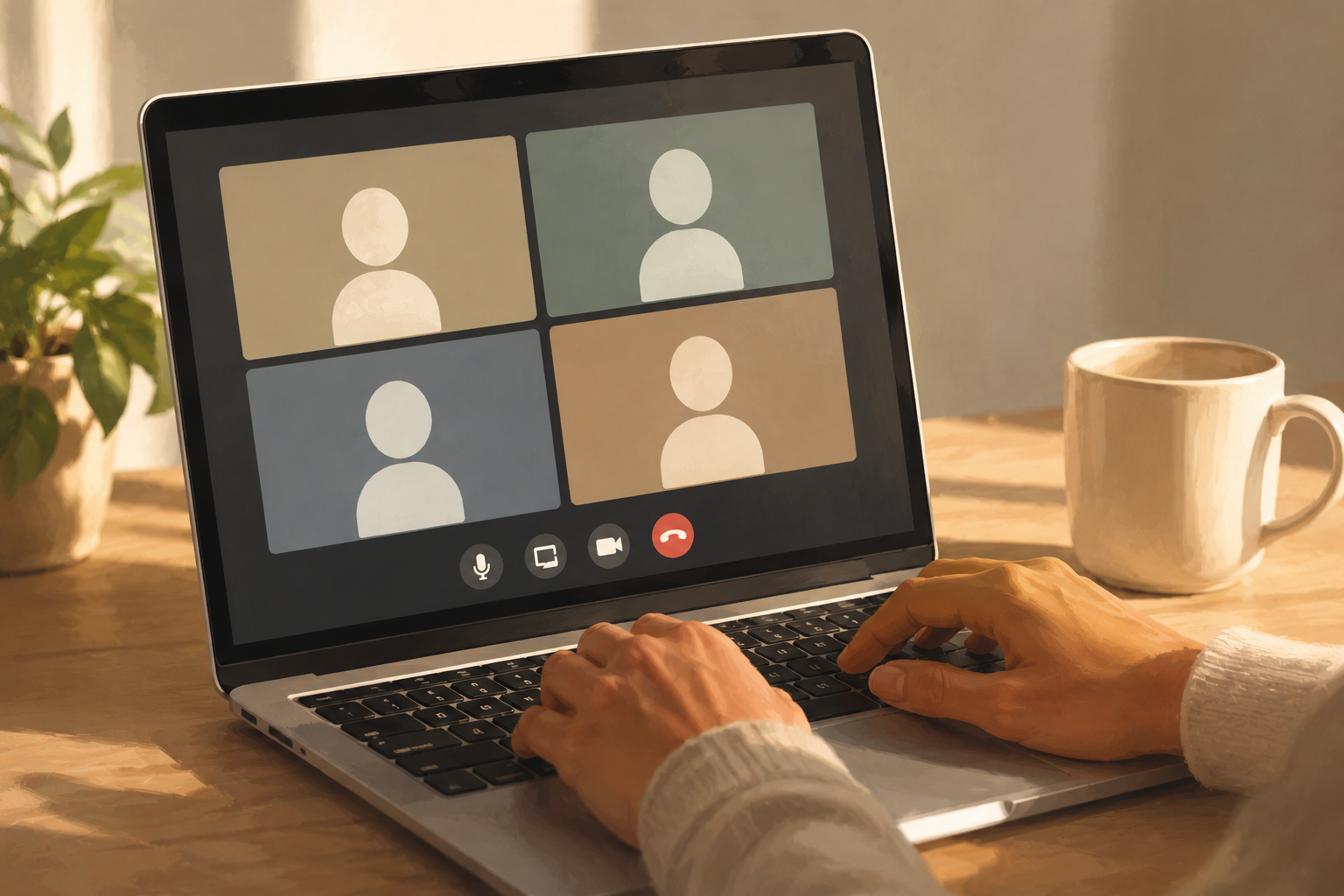 You don’t need anything fancy. Here’s what actually matters:
Webinar platform. Zoom Webinars handles most needs well. StreamYard works if you want to stream to YouTube or Facebook Live simultaneously. Demio and WebinarJam have built-in registration pages and email reminders if you want an all-in-one setup. Free plans exist on Zoom and StreamYard for smaller events.
Registration page. If the product creator has a co-registration setup, use it, because that means both you and the creator capture the lead. If not, even a basic page in ConvertKit, ActiveCampaign, or whatever email platform you use is fine.
Good audio. This one matters more than your camera quality. A $50-80 USB mic is enough. Muffled audio kills webinar engagement faster than almost anything else.
Reliable internet. Wired is better than wireless if you can swing it. Your phone’s hotspot as a backup is smart for anything important.
That’s genuinely it. The affiliates who make real money from webinars aren’t running Hollywood productions. They’re showing up consistently, knowing their product, and talking to their audience like actual human beings.
If your content strategy is mostly email and review posts, webinars are one of the highest-leverage additions you can make. One well-run event can outperform weeks of regular promotion. For more on building a solid affiliate income even with a small audience, that post covers the mindset and tactics that make every format work better, including this one.
The webinar is the event. The emails are what convert the people who weren’t quite ready yet. Together, they’re hard to beat.